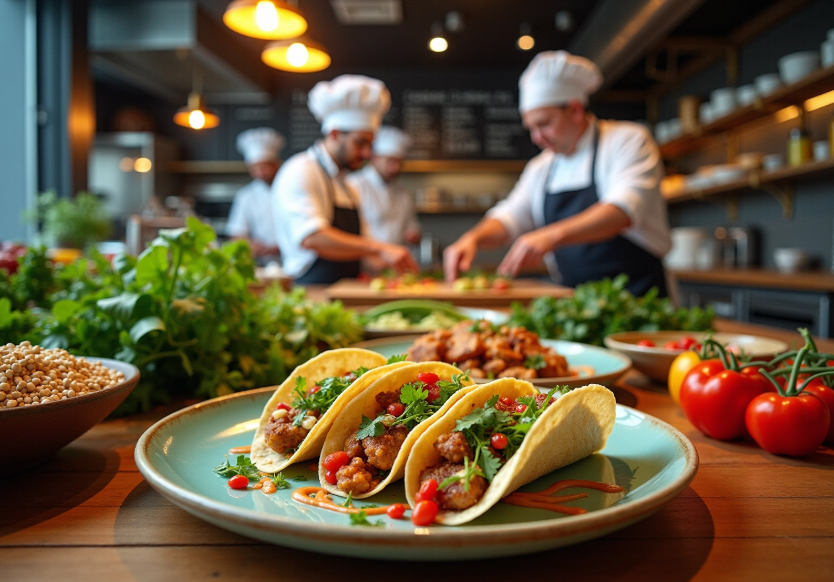
The food and beverage industry continues to evolve, driven by changing consumer preferences, technological innovations, and new business models. From casual dining to large-scale catering operations, entrepreneurs are exploring creative ways to meet demand while maintaining efficiency and quality. Among these developments, shared commercial spaces and specialized facilities like catering kitchen melbourne have become essential for startups, food entrepreneurs, and established catering companies.
This article explores the modern F&B landscape, highlights the benefits of professional kitchen facilities, and discusses trends that are shaping the industry today.
The Rise of Professional Catering Facilities
Operating a food business today is more complex than ever. Beyond recipe development and menu planning, regulatory compliance, hygiene, and operational efficiency play a crucial role. Professional kitchen facilities are increasingly providing the infrastructure and support needed to succeed.
Understanding Catering Kitchens
A catering kitchen offers a fully equipped, compliant space for preparing, cooking, and storing food. Unlike traditional restaurant kitchens, these facilities are designed to accommodate catering operations, meal prep services, and food startups that require flexibility and scale. By renting or using such a space, businesses can focus on product development and service delivery without incurring the high costs of owning and maintaining a private kitchen.
Legal and Safety Compliance
One of the key benefits of using a professional facility like catering kitchen melbourne is that it ensures adherence to food safety regulations. Licensed kitchens follow strict hygiene protocols, storage requirements, and operational guidelines. This compliance minimizes risks and builds consumer confidence, which is especially important for businesses serving large events or multiple clients.
Benefits of Using a Catering Kitchen
Professional kitchen facilities offer multiple advantages for food entrepreneurs and established operators.
Cost Efficiency
Investing in a fully equipped kitchen can be prohibitively expensive, particularly for startups. By utilizing shared catering kitchens, businesses can access commercial-grade equipment, refrigeration, and prep areas without high upfront costs. This model allows for operational flexibility and reduces financial risk, enabling entrepreneurs to allocate resources toward marketing, staff, or product development.
Scalability and Flexibility
Catering kitchens provide a scalable solution for businesses with fluctuating demand. Companies can expand operations during peak seasons or large events and scale back when demand is lower. This flexibility is particularly useful for catering companies, meal prep services, and online food delivery brands.
Access to Expertise
Some professional kitchen facilities also provide additional support, such as staff training, ingredient sourcing, and operational guidance. This assistance allows food businesses to operate efficiently and maintain high standards without investing heavily in hiring or specialized infrastructure.
Emerging Trends in the Food and Beverage Industry
The F&B industry is shaped by evolving consumer preferences, technological innovations, and sustainability concerns. Understanding these trends is crucial for businesses aiming to remain competitive.
Cloud Kitchens and Delivery-Focused Models
The rise of online food delivery has transformed the way food businesses operate. Cloud kitchens, which are delivery-only kitchens without a physical storefront, allow businesses to reach a wider audience with minimal overhead. Facilities like catering kitchen melbourne often cater to these models, providing the space and equipment necessary to fulfill delivery orders efficiently.
Health and Wellness Focus
Consumers increasingly prioritize health-conscious and sustainable choices. Organic ingredients, plant-based options, and allergen-free meals are growing in demand. F&B businesses that adapt to these preferences by offering healthy alternatives and transparent sourcing practices gain a competitive edge.
Sustainability and Eco-Friendly Practices
Sustainability has become a critical differentiator in the F&B industry. Businesses are reducing waste, using recyclable packaging, and sourcing locally to lower their environmental footprint. Shared kitchen facilities often support these practices by providing access to efficient equipment and sustainable operational protocols.
Technology Integration
Technology is revolutionizing food service operations. From digital ordering systems and inventory management software to AI-driven analytics for demand forecasting, integrating technology enhances efficiency and improves customer experience. Catering kitchens frequently incorporate these innovations, allowing operators to track production, manage orders, and optimize workflows effectively.
Operational Best Practices for Food Businesses
Success in the F&B industry requires more than quality food; it demands strategic planning, efficient operations, and strong customer engagement.
Efficient Workflow and Space Utilization
Professional kitchen facilities provide a structured layout designed to optimize workflow. Proper use of prep stations, cooking areas, and storage ensures faster service, reduces errors, and maintains food quality. Businesses using catering kitchen melbourne can benefit from layouts that separate prep, cooking, and cleaning areas to maximize efficiency.
Staff Training and Hygiene
Maintaining high hygiene standards is critical for reputation and compliance. Staff should be trained in proper food handling, safety protocols, and sanitation practices. Facilities often provide guidelines and training programs to ensure all operations meet regulatory standards.
Marketing and Branding
In today’s competitive market, branding and visibility are crucial. Social media, influencer marketing, and online delivery platforms help businesses reach a larger audience. Highlighting the use of professional kitchens, sustainable practices, and high-quality ingredients can strengthen brand perception and attract loyal customers.
Consistent Quality Control
Maintaining consistent quality is vital, especially for catering services and high-volume production. Professional kitchens enable businesses to implement standardized processes, monitor portion sizes, and ensure that each dish meets established quality criteria. This consistency fosters customer trust and drives repeat business.
Challenges in the F&B Industry
Despite the opportunities, food businesses face several challenges that require strategic planning.
High Competition
The F&B sector is highly competitive, with new businesses entering regularly. Differentiation through unique menus, exceptional service, or specialized offerings is critical for standing out in a crowded market.
Operational Costs
Even with shared kitchen facilities, managing costs such as ingredients, staff wages, packaging, and logistics is challenging. Efficient resource management and strategic planning are essential to maintaining profitability.
Regulatory Compliance
Navigating food safety regulations, licensing requirements, and inspections can be complex. Working in facilities like catering kitchen melbourne ensures adherence to local laws and reduces the risk of violations. Businesses must also stay informed about evolving regulations to remain compliant.
Conclusion
The food and beverage industry is evolving rapidly, shaped by consumer preferences, technological advancements, and innovative business models. Professional facilities like catering kitchen melbourne play a crucial role in supporting startups, catering companies, and delivery-focused brands by providing cost-effective, compliant, and scalable solutions.
Success in the modern F&B landscape requires a combination of quality products, operational efficiency, regulatory compliance, and innovative marketing strategies. By leveraging professional kitchen facilities, adopting sustainable practices, and embracing technology, food businesses can thrive in a competitive market while delivering exceptional experiences to customers.
As the industry continues to grow and evolve, businesses that adapt strategically, maintain high standards, and focus on customer satisfaction will be well-positioned to capitalize on emerging opportunities and achieve long-term success.