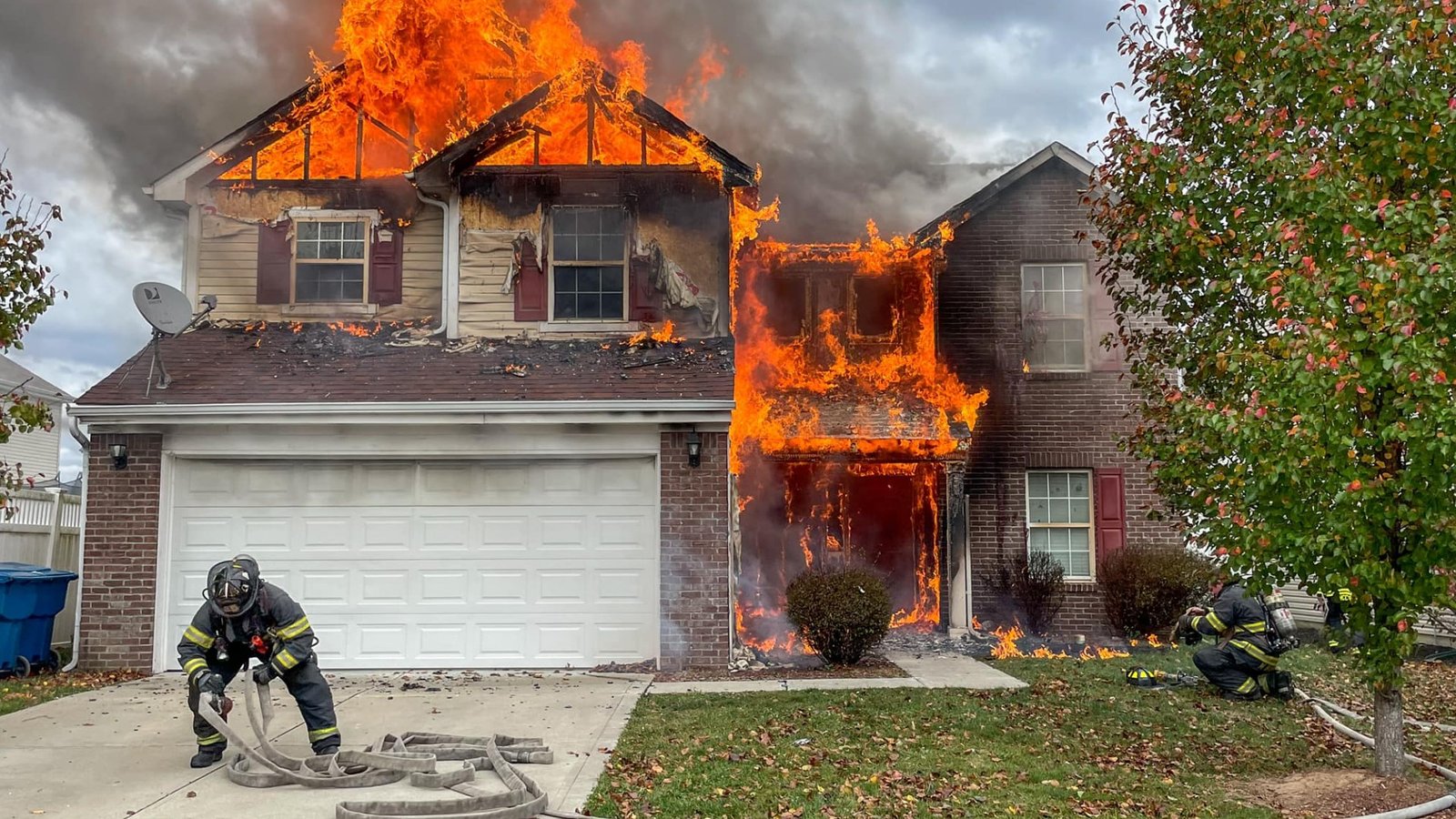
Introduction: Why Fire Risk Assessment Matters
A fire risk assessment is more than just a legal requirement—it is a proactive measure to protect lives, property, and assets from the devastating effects of fire. Fires can occur unexpectedly and escalate quickly, causing injuries, fatalities, and significant financial losses. By identifying hazards, evaluating risks, and implementing preventive measures, businesses and property owners can create safer environments and safeguard their investments.
Whether in offices, warehouses, retail spaces, or residential buildings, fire risk assessments help establish a structured approach to safety. They ensure that fire hazards are recognized, preventive strategies are applied, and both people and property are protected from potential disasters.
Understanding the Scope of Fire Risk Assessments
A fire risk assessment involves several critical components:
- Hazard Identification: Pinpoint potential sources of ignition, flammable materials, and unsafe practices that could trigger a fire.
- Risk Evaluation: Assess how these hazards could affect people, property, and operations. This includes considering vulnerable individuals, such as children, the elderly, or those with disabilities.
- Preventive Measures: Implement strategies to eliminate or control identified risks, including installing alarms, sprinklers, fire extinguishers, and emergency exits.
- Documentation: Record all findings and corrective actions to ensure compliance and provide a reference for future assessments.
By addressing all these areas, fire risk assessments not only reduce the likelihood of a fire but also minimize potential damage when incidents occur.
See also: Evaluating Intravenous Therapy: Gravity vs Pump Infusion
Protecting Lives: The Top Priority
The most important goal of any fire risk assessment is to protect human life. Effective assessments identify hazards that could endanger occupants, provide guidance on emergency procedures, and ensure that fire safety equipment is accessible and functional.
Staff or residents should be trained in evacuation protocols, fire extinguisher use, and emergency communication. Regular fire drills reinforce these practices, reducing panic and confusion during real emergencies. By prioritizing safety measures, organizations can significantly reduce the risk of injuries or fatalities.
Safeguarding Property and Assets
Property protection is another crucial aspect of fire risk assessments. Fires can destroy buildings, equipment, stock, and critical business documents, causing severe financial loss. By identifying hazards and implementing preventive measures, organizations can reduce the likelihood of damage.
Preventive strategies may include:
- Installing fire suppression systems like sprinklers and extinguishers
- Implementing proper storage for flammable materials
- Maintaining electrical systems to prevent short circuits
- Conducting routine inspections and maintenance
Insurance providers often require documented fire risk assessments, which can facilitate claims and potentially lower premiums. This demonstrates due diligence and reinforces the financial importance of comprehensive fire management.
Legal Compliance and Risk Mitigation
In addition to protecting lives and assets, fire risk assessments ensure legal compliance. Many countries have laws and regulations mandating fire safety measures, and failure to conduct assessments can result in fines, penalties, or business closure. Documenting assessments also provides evidence of due diligence in case of inspections or legal disputes.
Beyond legal compliance, a thorough assessment mitigates risks to business continuity. By proactively identifying hazards and implementing preventive measures, organizations can reduce downtime, maintain operations, and protect their reputation.
Implementing Effective Fire Risk Measures
Effective fire risk management involves a combination of technology, procedures, and training. Key measures include:
- Fire detection and alarm systems: Smoke detectors and alarms alert occupants early.
- Fire suppression systems: Sprinklers, extinguishers, and fire blankets help control fire spread.
- Emergency evacuation plans: Clearly marked exits, escape routes, and assembly points ensure safe evacuation.
- Staff and resident training: Knowledgeable individuals respond faster and reduce risk during emergencies.
Regular inspections, testing, and updates to safety measures ensure continued effectiveness and adaptability to changing building conditions or occupancy.
Conclusion
A fire risk assessment is essential for protecting lives, property, and assets. It identifies hazards, evaluates risks, and implements preventive measures, ensuring safety, legal compliance, and business continuity. Regular updates, staff training, and thorough documentation strengthen preparedness and reduce the impact of fire incidents. By prioritizing fire safety, organizations create resilient environments that safeguard both people and property, fulfilling their ethical, legal, and operational responsibilities.