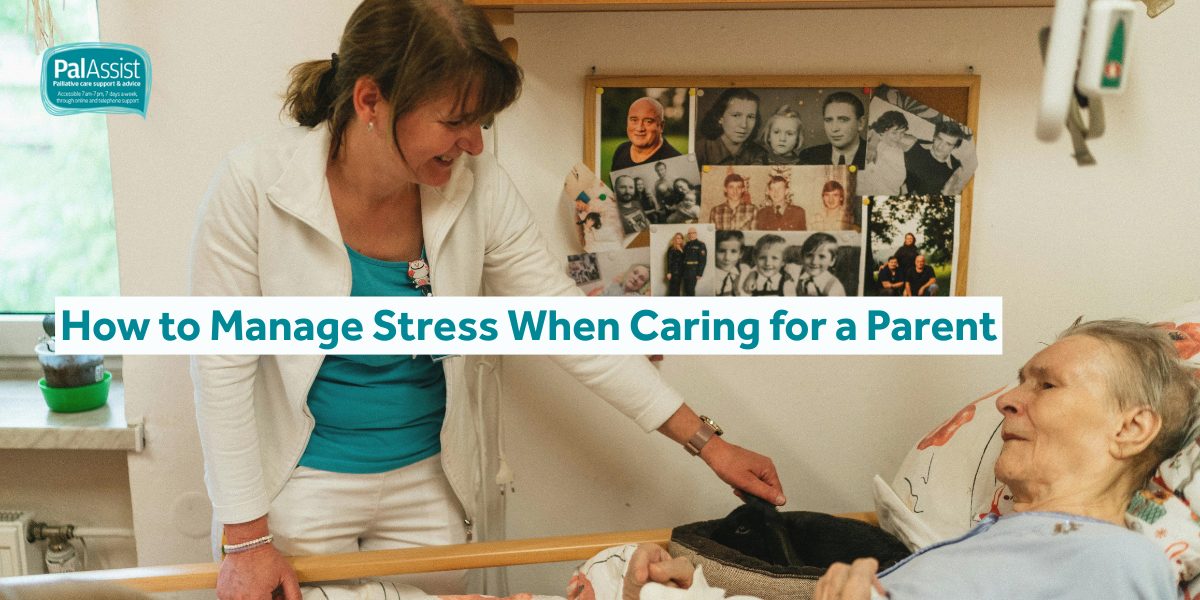
Managing stress when caring for a parent starts with recognising you can’t do everything alone and permitting yourself to ask for help.
The weight of caring for elderly parents often feels like it’s crushing you from every angle. You’re exhausted, worried, and wondering if you’re doing enough. Many caregivers even push through until their own health collapses, believing that’s just what good children do.
We know this struggle because at PalAssist, we’ve supported thousands of Queensland families facing exactly what you’re going through. Our registered nurses understand the emotional toll of watching an aging parent decline while your own well-being slips away.
But you don’t have to carry this burden alone. This article covers the physical and mental health impacts of caregiving, recognising burnout early, respite care options that work, and protecting your own needs without guilt. We’ll also show you the free support available through PalAssist.
Stay with us to learn practical ways you can survive caregiving.
Why Caring for Elderly Parents Affects Your Physical Health
Caring for elderly parents drains your physical health through disrupted sleep, skipped medical appointments, and constant physical demands that your body can’t sustain long-term.

You might think powering through exhaustion shows dedication. The reality is that ignoring your physical needs creates a ticking time bomb. When your body finally gives out, both you and your parent suffer.
Here’s how caregiving takes a physical toll on your body:
Sleep Loss and Constant Fatigue When Taking Care of Aging Parents
When was the last time you slept through an entire night without waking to check on your parent? If you’re like most family caregivers, then a full night’s rest feels like a distant memory.
You wake multiple times, checking on your parent, disrupting deep sleep cycles your body needs for recovery. This pattern becomes your new daily routine, and you barely remember what resting actually feels like.
Chronic exhaustion weakens your immune system and makes you more vulnerable to colds and infections. If you’re wondering why you’re getting sick more often, this is exactly why.
Skipping Your Own Medical Needs as a Family Caregiver
You can’t care for anyone if you’re too sick to function. That’s the harsh reality of postponing your own health needs.
The caregiver mindset convinces you that your health can wait another month, then another. Even your regular medications get forgotten when you’re focused entirely on managing your loved one’s complex medication schedule.
We’ve heard from countless family carers who ignored persistent chest pain or diabetes symptoms, which led to health conditions worsening until they required emergency intervention. What started as manageable with early treatment became life-threatening because they kept putting themselves last.
See also: Experts Highlight Policy Gaps in Supporting People with Chronic Illness and Disability
Mental Health Struggles: What Every Person You Care for Doesn’t See
Caring for aging parents triggers anxiety, guilt, and depression that you hide from your loved one to protect them from worry. Honestly, the emotional weight of caregiving can be just as crushing as the physical exhaustion, sometimes even worse.
For example, constant worry about your aging parent’s safety creates anxiety that doesn’t switch off, even during sleep. The person you care for might be resting peacefully while you’re mentally running through worst-case scenarios.
Also, guilt surfaces whenever you feel frustrated or resentful, which makes you question if you’re a good daughter or son. Many caregivers tell us they feel terrible for having normal human reactions to stress.
You snap once after being asked the same question for the tenth time, and the guilt eats at you for days. These emotional responses are completely normal, even though they feel unbearable.
Depression creeps in slowly as you sacrifice other responsibilities, social connections, and activities that used to bring you happiness. Your own mental health deteriorates while everyone focuses on your parents’ wellbeing (and nobody thinks to ask how you’re really coping).
Warning Signs You’re Burning Out as a Family Caregiver
Recognising burnout early gives you time to get help before you reach complete emotional and physical collapse. So pay attention to these early signs of burnout:
- Emotional Outbursts: You snap at your parent over small things, then feel terrible guilt for losing patience with them. Maybe you raised your voice because they asked what day it is for the fifth time, and now you can’t stop thinking about how their face looked. These are signs your stress levels have reached dangerous territory.
- Physical Symptoms: Headaches, stomach problems, or unexplained body aches that won’t go away signal your body needs rest.
- Emotional Numbness: If you fantasize about escaping or feel nothing at all, these feelings signal serious caregiver burnout. Even some family caregivers tell us they feel angry at their aging parent for needing help, then immediately hate themselves for that thought.
All of this can feel unbearable, but the good news is there’s practical support designed specifically to give you relief.
Respite Care Options That Permit You to Rest
Respite care services provide temporary relief from caregiving duties through in-home support, short facility stays, or day programs that give you genuine breaks.
In-home respite brings trained carers to your house, handling personal care while you attend appointments or rest. A qualified health care professional comes to your home and takes over bathing, medication reminders, and meal preparation so you can leave without worry. This means you can finally go to your own GP appointment or just sleep for a few hours.
Meanwhile, residential respite services provide short-term aged care facility stays, which give you extended breaks without permanent commitment decisions. Healthcare providers and nursing services deliver effective care to your parent in a safe environment (yes, taking a week off is allowed).
And here’s the thing: centre-based programs offer social activities and supervision during daytime hours, taking the constant monitoring pressure off you. Adult day care centres provide meals, activities, and companionship for older adults while you handle other responsibilities or simply rest.
In simple words, respite care supports both you and your parent.
How to Protect Your Own Needs While Caring for a Loved One
You should schedule non-negotiable time for your health, delegate tasks to family members, and use respite services before exhaustion makes caregiving impossible.

Protecting your own needs isn’t selfish when it keeps you healthy enough to provide loved ones care long-term. The person you care for benefits most when you’re physically and mentally well. You can’t pour from an empty cup, and burnout helps nobody.
Follow these strategies to maintain your well-being while caregiving:
Setting Boundaries Without Guilt
You’re allowed to say no to unreasonable demands, even from your parent who may resist outside help. The most important part is being consistent once you’ve set a limit.
Boundaries actually improve your relationship because you’re less resentful and more present when you spend time together. Plus, when you set limits on caring responsibilities, you preserve the emotional space needed to genuinely enjoy moments with your loved one instead of feeling trapped.
Building a Support Network
Now that you’ve set boundaries, you need to build a support system around you. Try these steps:
- Join Local Groups: Local support groups connect you with people who understand the exhaustion and conflicting emotions you’re experiencing. And meeting others in similar situations reminds you that struggling doesn’t mean failing.
- Delegate Specific Tasks: Ask a friend or family member to handle specific duties like Wednesday grocery shopping or Sunday dinner visits. Direct requests work better than waiting for vague offers of help.
- Access Professional Services: Services like My Aged Care help connect you with qualified health care professionals and practical support so you don’t have to manage everything alone.
Bottom line: Social support from both formal services and informal networks prevents caregiver isolation and gives you practical assistance when daily demands become overwhelming.
Making Time for Activities You Enjoy
You probably tell yourself there’s no time for hobbies or exercise, but that thinking is exactly what leads to burnout.
Scheduling regular exercise or hobbies isn’t selfish when it stops the burnout that would end your caregiving entirely. Even 20 minutes daily doing something unrelated to caregiving helps you stay yourself beyond being someone’s carer.
You need activities like walking with friends, gardening, or reading that remind you of your personal life outside caring responsibilities. This protects your identity during what can feel like an all-consuming caregiving journey.
PalAssist Support: When Caring for Your Aging Parent Feels Too Heavy
The best part about PalAssist is that you get free support from registered nurses who understand the specific challenges of elder care.
You can call 1800 772 273 anytime between 7 am and 7 pm, seven days a week, to talk with someone who genuinely understands caregiver stress. We’ve supported thousands of families facing exactly what you’re dealing with right now.
Our team can connect you with local resources and respite care services across Queensland, saving you hours of research when you’re already exhausted.
You Deserve Support Too
Caring for an aging parent tests every part of you physically, mentally, and emotionally. The stress won’t disappear overnight, but recognising when you need help is the first step toward sustainable caregiving.
Your own health counts just as much as your parents’ well-being. When you protect your physical and mental health, you become a better caregiver and a healthier person.
Small changes today prevent complete burnout tomorrow.
Disclaimer
This blog provides general health and product information for educational purposes only. It is not intended to diagnose, treat, or replace advice from your healthcare professional. Always seek guidance from your GP, nurse, continence advisor, or pharmacist regarding your individual needs. If symptoms persist or you’re unsure about product use, consult a qualified healthcare provider.