Introduction to non-woven geotextile permeability vs weight oz
Non-woven geotextiles are widely used in civil engineering and construction projects for filtration, drainage, and soil separation. One of the key considerations in selecting a non-woven geotextile is understanding the relationship between its weight (oz per square yard) and permeability (water flow rate). This relationship ensures that the geotextile performs effectively under specific project conditions.
Correctly selecting a geotextile based on weight and permeability helps prevent clogging, ensures proper water flow, and provides soil stabilization in roads, embankments, landfills, and drainage systems.
What Is Non-Woven Geotextile?
Non-woven geotextiles are made from geotextile pipe weights mechanically, chemically, or thermally to create a permeable fabric. Unlike woven geotextiles, they do not have a regular interlaced pattern, giving them high porosity and excellent filtration properties.
Key functions include:
- Filtration of fine soil particles
- Separation of soil layers
- Drainage and water flow management
- Erosion control
Understanding Geotextile Weight (Oz)
Geotextile weight is typically measured in ounces per square yard (oz/yd²) or grams per square meter (gsm). Weight influences several properties of the geotextile:
- Lightweight (2–4 oz/yd²): Suitable for low-stress applications, garden drainage, and landscaping
- Medium-weight (4–8 oz/yd²): Ideal for standard road and agricultural drainage projects
- Heavyweight (8–16+ oz/yd²): Used in high-stress environments like highways, industrial sites, and erosion-prone areas
Higher-weight geotextiles are generally stronger and more durable but may have slightly lower permeability compared to lighter fabrics.
Understanding Geotextile Permeability
Permeability measures the ability of water to pass through the geotextile, typically expressed in gallons per minute per square foot or cm/s. Key considerations include:
- High permeability allows rapid water drainage while retaining soil particles
- Low permeability may slow drainage but provide better filtration in fine-grained soils
- Matching permeability to soil type prevents clogging and ensures efficient water management
Relationship Between Permeability and Weight
- Lightweight fabrics: Higher permeability but lower puncture resistance
- Medium-weight fabrics: Balanced permeability and strength, suitable for most construction projects
- Heavyweight fabrics: Lower permeability but higher durability and puncture resistance, ideal for coarse soils and high-stress areas
Selecting the correct combination ensures optimal performance for filtration, drainage, and soil stabilization.
See also: portable label printing machine: On-the-Go Labeling Made Easy
Applications of Non-Woven Geotextiles
Road and Highway Construction
- Separates subgrade soil from aggregates
- Provides drainage and filtration, extending pavement life
Retaining Walls and Embankments
- Reinforces soil and prevents erosion
- Ensures water drainage behind walls without soil migration
Landfills and Environmental Projects
- Acts as a drainage layer to prevent leachate accumulation
- Filters soil while protecting geomembranes
Agriculture and Landscaping
- Controls soil moisture levels
- Prevents clogging in field or garden drainage systems
Erosion Control
- Stabilizes slopes, banks, and shorelines
- Allows water flow while retaining soil particles
Advantages of Non-Woven Geotextiles
- Excellent filtration and separation properties
- Lightweight and easy to install
- High puncture and tear resistance (depending on weight)
- Durable and long-lasting
- Cost-effective solution for soil stabilization and drainage
Installation Considerations
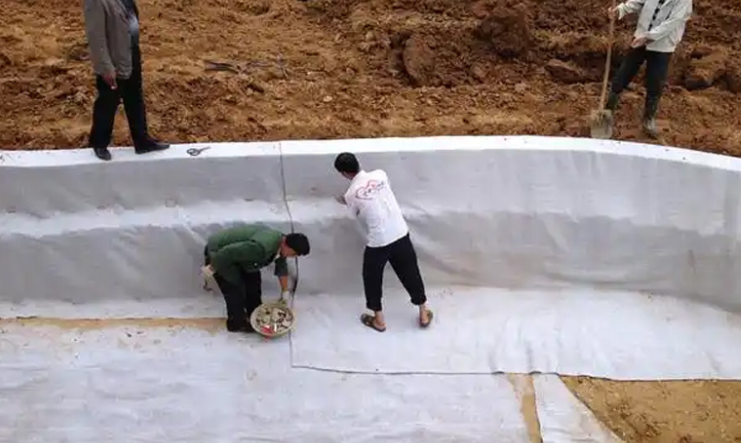
- Ensure the subgrade is smooth and free of debris
- Overlap seams according to manufacturer guidelines
- Avoid sharp objects that can puncture or damage the geotextile
- Backfill carefully to maintain fabric integrity
Conclusion
Understanding the relationship between non-woven geotextile permeability and weight (oz) is critical for selecting the right material for construction and civil engineering projects. Proper weight selection ensures the geotextile provides adequate filtration, drainage, and structural support while minimizing maintenance and preventing soil migration.
By choosing the appropriate geotextile weight and permeability, engineers and contractors can achieve durable, cost-effective, and sustainable project outcomes.
Frequently Asked Questions
What is non-woven geotextile used for?
It is used for filtration, drainage, soil separation, erosion control, and reinforcement in construction and civil engineering projects.
How does weight affect permeability?
Higher-weight geotextiles are stronger but may have slightly lower permeability, while lighter fabrics allow faster water flow but offer less puncture resistance.
Which geotextile weight is best for roads?
Medium-weight non-woven geotextiles (4–8 oz/yd²) provide a good balance of strength and permeability for most road and highway projects.
Can non-woven geotextiles prevent clogging?
Yes, they filter soil particles while allowing water to flow, reducing the risk of pipe or drainage system clogging.
How long do non-woven geotextiles last?
With proper installation and protection, they can last several decades, maintaining performance over time.